
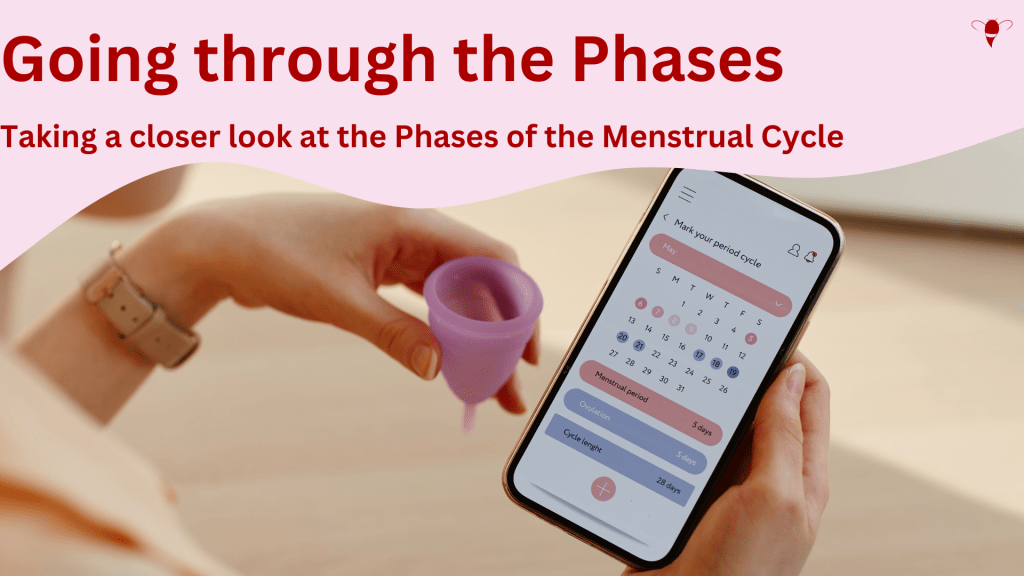
Understanding the Menstrual Cycle: Phases, Hormones, and Wellness Tips
The menstrual cycle is an intricate biological rhythm. This cycle, with an average length of 28 days, is typically divided in four phases: Menstruation, the Follicular phase, Ovulation, and the Luteal phase. Each phase is marked by hormonal changes, physical symptoms, and emotional shifts. Understanding these stages is key to discover the menstrual cycle as your biggest ally.
1. Menstruation
Days 1-7
The menstrual cycle begins with menstruation, which is the shedding of the uterine lining. This phase can last anywhere from 3 to 7 days and is characterized by the release of blood, tissue, and mucus from the uterus.
Hormonal Overview: At the start of menstruation, hormone levels, particularly estrogen and progesterone, are at their lowest. These low hormone levels signal the start of a new cycle.
Symptoms and Wellness Tips:
- Physical Symptoms: Many people experience cramps, fatigue, lower back pain, and bloating. A lot of people also suffer from PMS and some from more severe symptoms. This is referred to as PMDD.
- Wellness Tips: Gentle exercise, such as yoga or walking, can ease cramps. Staying hydrated, eating warm, nourishing foods, and resting can also help you and your body be your best self.
2. Follicular Phase
Days 1-13
The follicular phase overlaps with menstruation and continues after it ends. During this phase, the pituitary gland releases follicle-stimulating hormone (FSH), which signals the ovaries to produce follicles containing immature eggs. One follicle becomes dominant and matures, preparing for ovulation.
Hormonal Overview: Estrogen levels gradually rise, stimulating the growth of the uterine lining, creating a healthy environment for the potential arrival of a fertilized egg.
Symptoms and Wellness Tips:
- Physical Symptoms: You might feel more energized, optimistic, and social as estrogen increases.
- Wellness Tips: Engage in moderate to intense exercise, tackle creative projects, and prioritize high-protein, high-fiber foods to support energy levels.
3. Ovulation Phase
Day 14
Ovulation occurs when the mature egg is released from the ovary, usually around the midpoint of the cycle. This phase is short, lasting about 24 hours, but it’s the peak of fertility.
Hormonal Overview: A surge in luteinizing hormone (LH) triggers ovulation. Estrogen levels are at their highest, and testosterone also peaks, enhancing libido.
Symptoms and Wellness Tips:
- Physical Symptoms: Increased energy, sharper senses, and heightened mood are common. Some may notice a slight increase in body temperature.
- Wellness Tips: This is a great time for high-energy activities, social gatherings, and intimacy. Eat antioxidant-rich foods to support cellular health and increase water intake.
4. Luteal Phase
Days 15-28
After ovulation, the luteal phase begins, lasting until the start of the next menstrual period. The body releases progesterone, which helps thicken the uterine lining in preparation for a fertilized egg.
Hormonal Overview: Progesterone dominates, while estrogen remains at moderate levels. If pregnancy doesn’t occur, progesterone and estrogen levels will drop, signaling the start of a new cycle.
Symptoms and Wellness Tips:
- Physical Symptoms: Some experience symptoms of premenstrual syndrome (PMS), such as bloating, mood swings, fatigue, and cravings.
- Wellness Tips: Prioritize sleep, opt for complex carbs to stabilize mood, and engage in stress-relieving activities like journaling, meditation, or light yoga.
Sources:
https://www.betterhealth.vic.gov.au/health/conditionsandtreatments/menstrual-cycle
https://www.healthline.com/health/womens-health/stages-of-menstrual-cycle#follicular
https://www.aok.de/pk/magazin/koerper-psyche/organe/der-zyklus-der-frau-die-vier-phasen/
https://www.frauengesundheitscenter.at/blog-der-weibliche-zyklus.html
Picture Source: Canva
 RedBee
Leave a comment