
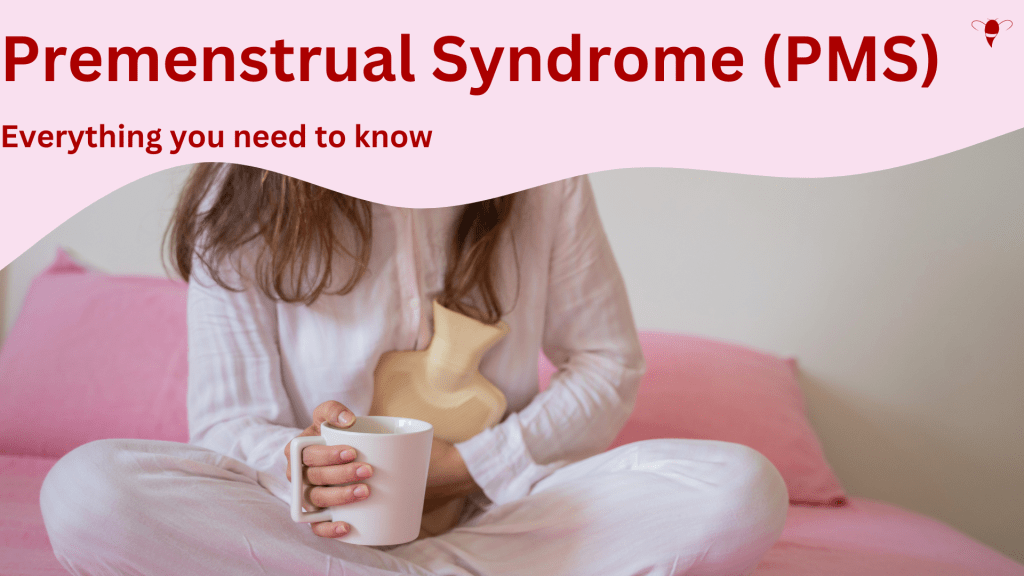
Premenstrual Syndrome (PMS) is a reality for many, often bringing a mix of physical and emotional symptoms that can range from mildly annoying to genuinely disruptive. Understanding what causes PMS, identifying its symptoms, and finding effective relief strategies can help you navigate this phase of the menstrual cycle with more ease and control.
What is PMS?
PMS refers to a collection of symptoms that appear in the luteal phase of the menstrual cycle. This phase typically lasts about 14 days, and PMS symptoms often begin 1–2 weeks before your period. For most people, these symptoms resolve on their own once menstruation begins.
What Causes PMS?
PMS symptoms are largely driven by the hormonal changes that happen in the luteal phase. After ovulation, progesterone levels rise, preparing the body for a potential pregnancy. If pregnancy does not occur, both estrogen and progesterone levels drop, leading to the onset of menstruation. These hormonal shifts can affect neurotransmitters in the brain, like serotonin, which impacts mood, sleep, and appetite. While hormones are the primary cause, lifestyle factors like diet, stress, and exercise can influence the severity of PMS symptoms.
Common Symptoms of PMS
PMS affects everyone differently, with some experiencing mild symptoms and others dealing with more intense physical or emotional challenges. Here are some of the most common symptoms:
Physical Symptoms:
- Bloating
- breast tenderness
- headaches
- muscle aches
- fatigue
- changes in appetite
- and sleep disturbances.
Emotional and Behavioral Symptoms:
- Mood swings
- irritability
- anxiety
- sadness
- difficulty concentrating
- and low energy.
The severity of these symptoms can vary from cycle to cycle, often depending on lifestyle and stress levels.
Tips for Managing PMS
While PMS is common, it’s not something you have to “just deal with.” There are many strategies to help manage symptoms and make this phase of the cycle more comfortable.
1. Balanced Nutrition
What we eat can significantly impact how we feel, particularly during the luteal phase. Here are some nutritional tips for easing PMS:
- Reduce Salt and Sugar: Excess salt can lead to bloating and water retention, while sugary foods can cause energy crashes that worsen fatigue and mood swings.
- Include Complex Carbohydrates: Whole grains, legumes, and vegetables help stabilize blood sugar levels and boost mood-regulating serotonin.
- Healthy Fats: Omega-3 fatty acids, found in foods like salmon, chia seeds, and walnuts, can reduce inflammation and may help ease PMS symptoms.
- Magnesium and Calcium-Rich Foods: Magnesium (found in nuts, leafy greens, and seeds) can ease bloating and cramps, while calcium (from dairy products or fortified alternatives) has been shown to reduce mood symptoms.
2. Regular Exercise
Exercise releases endorphins, which can act as natural mood lifters and pain relievers. Physical activity helps reduce fatigue, improves mood, and eases muscle tension. While high-intensity exercise may be effective, even moderate activities like walking, yoga, or swimming can bring relief.
3. Stress Management Techniques
Stress exacerbates PMS symptoms by increasing cortisol levels, which can further disrupt hormonal balance. Managing stress through deep breathing, meditation, journaling, or mindfulness practices can make a significant difference. Even short, regular practices can improve resilience and reduce PMS-related irritability or anxiety.
4. Prioritize Sleep
Hormonal fluctuations during PMS can impact sleep, leading to feelings of fatigue or irritability. Aim to maintain a consistent sleep schedule, limit caffeine intake (especially in the late afternoon and evening), and create a calming bedtime routine. Poor sleep can intensify PMS symptoms, so prioritize rest during this phase.
5. Hydration
Drinking enough water can reduce bloating and alleviate fatigue. Aim to drink at least 8 glasses of water a day and consider avoiding or limiting caffeine and alcohol, which can contribute to dehydration and irritability.
6. Herbal Supplements
Some herbal remedies, like chasteberry (Vitex), evening primrose oil, and ginger, have been used traditionally to manage PMS symptoms. Studies suggest that chasteberry may reduce mood swings and breast tenderness, while evening primrose oil can help with cramps. Always consult with a healthcare provider before starting any new supplements to ensure they are safe and appropriate for you.
7. Over-the-Counter (OTC) Pain Relief
For physical symptoms like cramps, OTC medications like ibuprofen or acetaminophen can help reduce pain and discomfort. Non-steroidal anti-inflammatory drugs (NSAIDs) can be effective for managing cramps, headaches, and muscle soreness.
When to Seek Professional Help
For some, PMS can be extremely severe and interfere with daily life. If your symptoms are intense and impact your ability to work, maintain relationships, or perform daily activities, you may have a condition known as premenstrual dysphoric disorder (PMDD). PMDD is a more severe form of PMS, characterized by intense emotional and physical symptoms. If you suspect PMDD, or if your PMS symptoms are particularly troubling, speak with a healthcare provider who can help you find relief through lifestyle changes, therapy, or medication.
Final Thoughts on Managing PMS
PMS is a collection of various physical and psychological symptoms occurring during the second half of the menstrual cycle. These symptoms often become more severe with age – but they will decrease with the approaching menopause.
90% of women say they suffer from some PMS symptoms, this has to be differentiated from women suffering from PMDD. Severe PMS symptoms may be a sign of premenstrual dysphoric disorder (PMDD).
Exact cause of PMS is unknown. The working theory is that PMS occurs because of estrogen and progesterone levels begin to fall dramatically after ovulation.
PMS is more common in women who have:
- High stress levels
- Family history of depression
- A personal history of (postpartum) depression
Sources:
https://www.womenshealth.gov/menstrual-cycle/premenstrual-syndrome
https://www.frauenaerzte-im-netz.de/erkrankungen/praemenstruelles-syndrom-pms/
https://www.womenshealthclinic.ie/premenstrual-syndrome-pms.html
 RedBee
Leave a comment